Menopause Insomnia & Night Sweats: A No-Fluff Sleep Reset for Women Who Are Over Being Exhausted
A practical plan for calming nights, easing hot flushes, and rebuilding energy — without gimmicks.
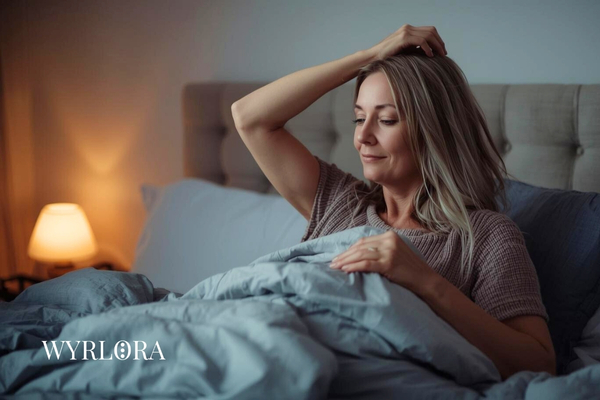
If you’re lying awake at stupid o’clock thinking, “I am so tired… why can’t I SLEEP?” — come in close, friend.
Menopause and perimenopause can mess with sleep in a very specific way: night sweats, hot flushes, anxiety spikes, and the dreaded 3am wide-awake brain that suddenly wants to rehash your entire life. Sleep disturbance is a recognised menopause symptom, along with hot flushes/night sweats and mood changes.
This is your no-fluff reset: what to do tonight, what to build over 2–4 weeks, and when to bring your GP into the plan.
Step 1: Name what’s happening (so you stop blaming yourself)
Night sweats and hot flushes (vasomotor symptoms) are common around menopause/perimenopause.
And when sleep gets hammered, everything feels harder: cravings, moods, patience, focus, motivation.
You are not failing at life.
Your body is navigating a transition.
Step 2: Your “Tonight Toolkit” (quick wins)
1) Cool the cave
Drop room temperature if possible
Light layers (think: breathable cotton/bamboo)
Keep a spare top by the bed for quick changes
Try a cool pack wrapped in a thin towel (neck/upper chest)
2) Hydrate earlier, not later
Night sweats can dehydrate you, but guzzling water at bedtime = bathroom trips. Aim to front-load hydration.
3) Caffeine cutoff (yes, I’m that friend)
If you’re sensitive, caffeine after lunch can wreck sleep. Try a 7-day experiment and see what changes.
4) The 10-minute nervous system downshift
Pick one:
Slow breathing
Gentle stretch
Warm shower
A short prayer/meditation
Journalling: “brain dump” the worries onto paper
If faith is part of your life, this can be a sweet nightly surrender: “I’ve carried enough today.” If not, still breathe — same nervous system, same benefit.
Step 3: The 2-Week Sleep Reset Plan (the real Freedom)
Week 1: Stabilise your rhythm
Goal: same wake time most days (even if sleep was rubbish).
This helps retrain your body clock.
Wake time: set it and stick to it
Morning light: get outside for 5–10 minutes
Movement: a walk counts
Alcohol experiment: reduce or remove for a week (many women notice night sweats worsen)
Week 2: Make the night less “fragile”
This is where we protect sleep like it matters (because it does).
Wind-down buffer: 30–60 minutes without heavy screens or doom scrolling
Bedroom boundary: the bed is for sleep and intimacy, not stressful admin
If awake >20–30 mins: get up, low light, boring activity, back to bed when sleepy
Step 4: Track triggers like a detective (not a judge)
For 10–14 days, jot:
Hot flush intensity (0–10)
Night sweats (yes/no)
Alcohol (what/when)
Caffeine (what/when)
Stress level (0–10)
Spicy food (some women notice a link)
Sleep quality (0–10)
This isn’t about perfection. It’s about patterns.
Step 5: When to talk to your GP (and what to ask)
If night sweats/hot flushes are frequent and sleep is suffering, it’s worth discussing treatment options.
Hormone therapy (MHT/HRT)
Menopausal hormone therapy is widely recognised as an effective option for hot flushes and night sweats and may also help related symptoms for some women.
Non-hormonal options
There are also non-hormonal prescription options that can reduce vasomotor symptoms, depending on your situation — your GP can guide you.
Bring these questions
“Are my symptoms consistent with perimenopause/menopause?”
“What are my options for reducing hot flushes/night sweats?”
“Would MHT be appropriate for me? What are benefits/risks in my case?”
“Could anything else be contributing (thyroid, iron, anxiety, sleep apnoea)?”
“What’s our review timeline after starting a plan?”
Step 6: The stuff that sounds small but helps a lot
Strength training (especially for midlife women)
It supports metabolism, mood, and long-term health. You don’t need to become a gym rat — you need consistency.
Evening protein + fibre
A blood sugar crash at night can mimic anxiety wakeups.
Magnesium?
Some women find magnesium helps relaxation (I know I do, that's why I take it every night), but it’s not a magic wand and it’s not for everyone. If you’re considering supplements, check with a pharmacist/GP (especially if you take other meds). (General safety note.)
Watch the “miracle cure” trap
If anyone promises to “switch off menopause in 7 days”, back away slowly with your dignity intact.
What if you’re still waking at 3am?
Try this script:
“My body is in transition. I am safe.”
“I don’t need to solve life tonight.”
“Next right step: breathe, cool down, rest.”
Then do the boring thing (book, dim light) until your eyes feel heavy again.
Closing (because you deserve rest)
Sleep isn’t a luxury. It’s the foundation that makes everything else possible — your patience, your health, your choices, your confidence.
And Freedom? Freedom is waking up with enough energy to live your day instead of just surviving it.
Until we chat again,
Blessing & hugs to you my dear friend,
Dianne xx